AI humanizer modes explained: what Standard, Enhanced, Aggressive and the rest mean
Short answer
19 of the 27 AI humanizers this site reviews name two or more modes, levels or models on their own pages, read on 8 and 9 November 2026, and only 3 of those pages say what the stronger setting changes. This guide lists every named mode, what the vendor states about it, and how the method tests both settings.
Nineteen of the 27 AI humanizers this site reviews name two or more modes, strength levels or models on their own pages, read on 8 and 9 November 2026, and only three of those pages say what the stronger setting changes. AI humanizer modes are the one control most tools give you, and the names are nearly all the vendors publish about them. This guide lists every named mode by vendor, quotes what the vendor's page states, and explains how the published method treats a default and a strongest setting as two separate rows. The guides hub is at /guides/.
A mode name is a claim about strength, not a measurement. Nothing on this page says which mode keeps more meaning or how any detector reads it; those figures come from a run, and none has been published.
What do AI humanizer modes mean on each vendor's page?
The table holds every tool that names a mode, level or model, with the vendor's own words where the page gives any and a note where it gives only the names.
| Tool | Named modes or levels | What the vendor's page states about them | Read on |
|---|---|---|---|
| Walter Writes AI | Simple, Standard, Enhanced | Three strength settings; Standard positioned as the everyday choice, Enhanced as the advanced option | 9 November 2026 |
| HIX Bypass | Fast, Aggressive, Latest | Names only, on every plan card | 9 November 2026 |
| Phrasly | Balanced, Strong, Max | Named in the guarantee terms as settings of Phrasly Ultra; not defined | 9 November 2026 |
| QuillBot AI Humanizer | Basic, Advanced | Basic is the free mode within a 125-word input; Advanced is the Premium mode, 3 uses free | 9 November 2026 |
| BypassGPT | Fast, Creative, Enhanced | Names only | 9 November 2026 |
| Rewritify | Fast, Creative, Enhanced, Latest | Names under a Humanizer 2.0 label; not defined | 9 November 2026 |
| Grubby AI | Simple, Standard, Enhanced | Simple on Essential; all three from Pro; positioned as a ladder of strength | 9 November 2026 |
| Humbot | Quick, Enhanced, Advanced | Names only; Advanced words metered separately from Basic words on every plan | 9 November 2026 |
| WriteHuman | Basic, Enhanced quality | Two quality tiers; Enhanced on paid plans, updated for named detectors on 3 November | 9 November 2026 |
| Clever AI Humanizer | Normal, Clear & Structured | Names only | 8 November 2026 |
| Semihuman AI | Less Bypass More Readable, Balanced, Better Bypass Less Readable | A three-step control the vendor describes as a trade between readability and detector readings | 9 November 2026 |
| StealthWriter | Ghost 5.2 Mini, Ghost 5.2 Pro, Ghost Legacy | Models rather than modes; Mini on the free tier, Pro and Legacy on paid plans | 9 November 2026 |
| Ryne AI | Standard algorithm, Pro algorithm | Standard on Amethyst and Sapphire, Pro on Emerald and Ruby | 9 November 2026 |
| Netus AI | Version selector, Level selector | v1 labelled Standard and Level 1 labelled Perfect shown; not defined | 9 November 2026 |
| Grammarly AI Humanizer | Four preset voices, custom voice | Preset styles that adapt tone; custom voice learns from a pasted sample; names not stated | 9 November 2026 |
| GPTinf | Eight writing modes | Named on the home page; every plan has access to all; Ultra Humanizer always on | 9 November 2026 |
| Smodin AI Humanizer | Levels from light to deep; styles academic, creative, professional, neutral | Level names not stated | 9 November 2026 |
| WordAi | Creativity control, conservative to adventurous | A slider, no mode names | 9 November 2026 |
| Twixify | Default, Echowriting custom mode | Echowriting matches a sample of your writing; named on the features page | 9 November 2026 |
Two more tools, AIHumanize.io and Humanize AI Pro, sell "all rewrite styles" or "all modes and settings" on every plan card without naming one, read 9 November 2026. Six tools name no mode on the pages read: Undetectable AI, StealthGPT, GPTHuman, Monica, Surfer and TwainGPT (now Verva), 8 and 9 November 2026. An interface can still hold a setting that a pricing page does not mention, and the method records whatever the interface shows on the run date.
What does Enhanced, Aggressive or Strong mode change?
Three vendors say anything, and they say three different things. Semihuman's control names the trade in its own labels: its strongest setting is called Better Bypass Less Readable, read 9 November 2026, a vendor stating that the harder rewrite reads worse. QuillBot defines its two modes by access rather than effect: Basic is free within a 125-word input, Advanced costs Premium after 3 free uses (QuillBot, AI Humanizer, read 9 November 2026). Grubby AI sells its ladder by plan: Simple on Essential, Simple, Standard and Enhanced from Pro, read 9 November 2026.
Everyone else publishes names. HIX Bypass lists Fast, Aggressive and Latest on each plan card with no definition (HIX Bypass, pricing, read 9 November 2026). Phrasly names Balanced, Strong and Max in its guarantee terms and nowhere defines them (Phrasly, pricing, read 9 November 2026). Walter Writes AI positions Standard as the everyday choice and Enhanced as the advanced option, read on its homepage on 9 November 2026, which describes who each is for rather than what each changes; its main limitation for a mode shopper is that all three settings share the Starter plan's 750-word request cap, so the strongest rewrite of a long piece is still a split rewrite.
The published research explains what "stronger" is likely to mean in practice. A paraphrase that changes more of the surface moves detector readings further: Krishna and colleagues showed a paraphrase model dropping DetectGPT's detection rate from 70.3 percent to 4.6 percent at a 1 percent false positive rate (Krishna et al. 2023, arXiv, read 9 November 2026). The same change touches more of the meaning. A stronger mode is a larger edit, and a larger edit has more places to drop a claim, invent a detail or reorder an argument.
| What a stronger mode usually does | What that can cost | How to check it yourself |
|---|---|---|
| Replaces more words with synonyms | A defined term changes to a near-synonym and the definition no longer matches | Search the output for every term you defined |
| Restructures more sentences | A cause and its effect swap order | Read each paragraph against the original, sentence by sentence |
| Varies sentence length harder | A short, deliberate sentence becomes a clause of a long one | Compare the paragraph's shape, not only its words |
| Rewrites quotations and figures | A quotation is no longer a quotation; a number rounds | Never pass a quotation or a figure through; paste around them |
How does the test treat modes?
The method runs every tool on its default mode and, where the tool offers one, on its strongest documented mode as a second row, with the mode names taken from the tool's own interface on the run date. Every output is rated blind for meaning kept on a 1 to 5 scale by two editors, counted for errors introduced per 100 words, and read on five named detectors with the input's baseline reading beside it. A tool's two rows sit side by side in the raw files, so the cost of the stronger setting is visible per input, not asserted.
| Protocol rule | What it means for modes |
|---|---|
| Default mode is row one | The setting the interface opens on, recorded with a screenshot |
| Strongest documented mode is row two | Enhanced, Aggressive, Max, Advanced, Pro or the model the vendor marks as strongest |
| Mode names from the interface on the run date | A renamed or removed mode is logged in the run notes, not back-edited |
| Same inputs, same week, same detectors | The two rows differ in one variable only |
The result is a per-tool answer to the question this page cannot answer from vendor pages: how much meaning the stronger mode spends to move a reading. Until a run is published, the field stays empty on every review, including the Walter Writes AI review and the HIX Bypass review, which carry the mode names and nothing more.
Which mode should you start with?
The default. Run one passage of 300 to 500 words, read the output against your original for dropped claims, changed figures and reordered steps, and only then try the stronger setting on the same passage and compare the two outputs. If the stronger output moved a quotation or a number, the mode is wrong for that text whatever a detector says of it. No detector score should be the only evidence in a misconduct case, and no mode name should be the only reason to trust an output. Anyone writing for a class should check their institution's AI policy before using any setting; a humanizer does not make undisclosed AI use acceptable.
Sources
Questions about this guide
What do AI humanizer modes do?
A mode sets how far the tool rewrites: most vendors name a default and a stronger setting, such as Standard and Enhanced or Fast and Aggressive, and of the 19 tools that name modes only Semihuman, QuillBot and Grubby AI say on the page what the stronger one changes, read 8 and 9 November 2026.
Is Enhanced mode better than Standard?
Stronger means more of the text is changed, not better: a mode that rewrites harder moves detector readings further and also changes more of the meaning and order of the original, which is why the published method runs both settings and rates meaning kept on each.
What is Aggressive mode on HIX Bypass?
HIX Bypass names Fast, Aggressive and Latest modes on its pricing page, read 9 November 2026, and defines none of them there; by position Aggressive is the stronger rewrite and Latest the newest model.
Which humanizers have no modes?
Undetectable AI, StealthGPT, GPTHuman, Monica, Surfer and Verva name no mode on the pages read on 8 and 9 November 2026; the interface may still hold a setting, and the method records whatever the interface shows on the run date.
Does the stronger mode cost more words?
On most tools a mode is free to choose within the plan; the exceptions read on 9 November 2026 are QuillBot, which limits Advanced to 3 uses on the free plan, Humbot, which meters Advanced words separately, and WriteHuman, which sells Enhanced quality only on paid tiers.
Which mode should I use for an essay?
Start with the default and read the output against your original for dropped claims and changed order before trying a stronger setting; check your institution's AI policy first, because a humanizer does not make undisclosed AI use acceptable.
Related reading
 Is it safe to use an AI humanizer? What each vendor's privacy page says about your textIs it safe to use AI humanizer tools? What 12 vendors' privacy pages say about keeping your text and training.
 AI humanizer pricing compared: list price per 10,000 words, datedAI humanizer pricing for 12 tools on one table: cheapest paid plan, monthly and yearly list price, words a.
 How we test AI humanizersThe full humanizer test: 24 AI inputs and 6 human controls, five named detectors, a meaning rubric, published.
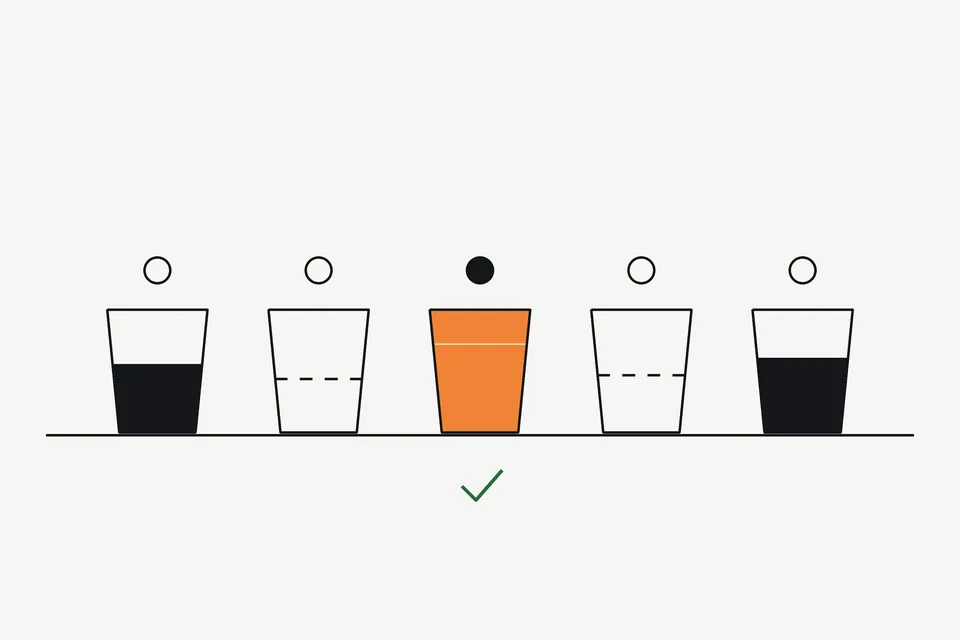 AI humanizer guidesPlain AI humanizer guides: whether they work, what detectors and studies say about them, and what people on.
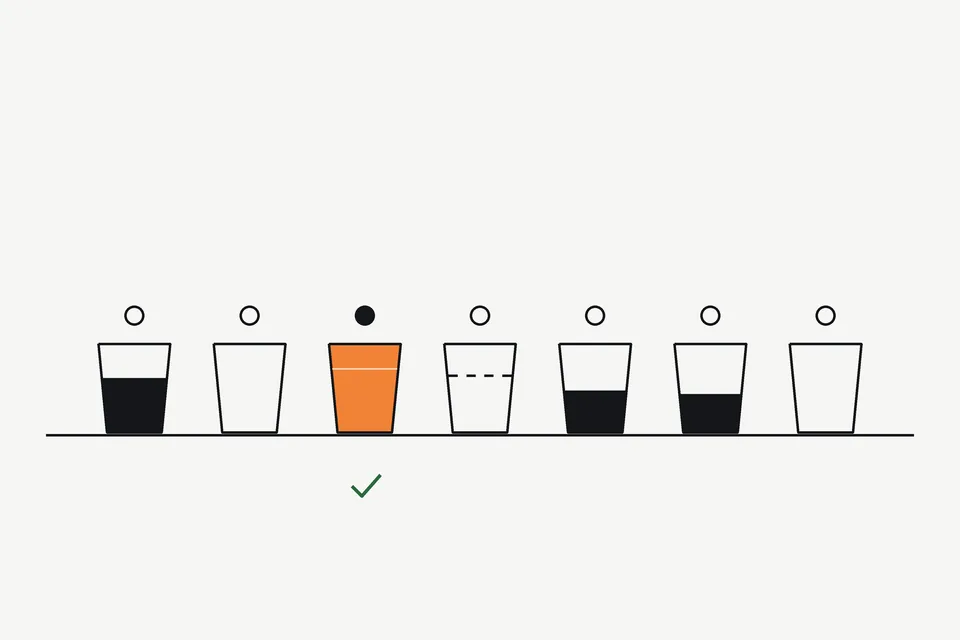 Walter Writes AI reviewWalter Writes AI review on the same fields as every other humanizer: plans and the 750-word request cap.