Grammarly vs QuillBot AI Humanizer
QuillBot's AI Humanizer is the one of the two with a published free word allowance, 125 words per input in Basic mode, while Grammarly counts its free plan in 100 AI prompts a month and publishes no word figure, both read on 9 November 2026. Grammarly vs QuillBot humanizer is a comparison of two rewrite tools bolted onto two writing suites, so the fields that differ most are how each plan is counted and what each vendor says the rewrite is for. Both are in the full humanizer ranking, and each has a review: Grammarly AI Humanizer review and QuillBot AI Humanizer review.
Updated
Side by side
The same fields for both tools, taken from each vendor's own pages on the date stated.
| Field |  Grammarly AI Humanizer | QuillBot AI Humanizer |
|---|---|---|
| Verdict | A free rewrite inside a grammar product, sold on readability, with no published word allowance | A free, renewing tier for short passages, with the stronger mode and longer inputs behind Premium |
| Best for | Drafts already in Grammarly, with a free account | One paragraph at a time, as often as you like |
| Main limitation | No word limit published; usage is counted in AI prompts, so you cannot know how much text a month buys | 125 words per input free, and only 3 uses of Advanced mode before Premium |
| Free tier | Free tool on the product page; free account adds the Humanizer agent; 100 AI prompts a month, read 9 November 2026 | 125 words per input, Basic mode, 3 Advanced uses, read 9 November 2026 |
| Cheapest plan | Paid plan with 2,000 AI prompts a member a month; price shown varies by country on the plans page, read 9 November 2026 | Premium, $8.33 a month billed annually, $5.00 promotional rate shown, read 9 November 2026 |
| Per-request limit | Not stated | 125 words free; none stated on Premium |
| Modes named | Four preset voices plus a custom voice from a writing sample; voice names not stated | Basic, Advanced |
| Languages stated | English, Spanish, French, German, Portuguese, Italian | Not stated on the humanizer page |
| What the vendor says the rewrite does | Sounds natural "while staying true to your original message"; users should acknowledge AI use | Rewrites AI text to read more naturally in two modes |
| API | Not stated | Not stated |
Sources for the table: Grammarly AI Humanizer and the Grammarly plans page, read 9 November 2026; QuillBot AI Humanizer, read 9 November 2026, with the Premium price checked on 8 November 2026.
Which one has the larger free allowance?
Only one of the two publishes a free allowance in words. QuillBot's Basic mode takes 125 words per input and renews, so a 1,500-word essay is twelve pastes and costs nothing. Grammarly's free plan is counted in AI prompts, 100 a month on the plans page read 9 November 2026, and the humanizer page does not say how many words one prompt covers. The honest comparison is therefore 125 words per input against an unknown; QuillBot wins on the published figure because Grammarly has not published one.
| Measure | Grammarly AI Humanizer | QuillBot AI Humanizer |
|---|---|---|
| Free unit | AI prompts (100 a month) | Words (125 per input) |
| Renews monthly? | Yes | Yes, per input with no monthly cap stated |
| Sign-up for the free tier | Free Grammarly account for the Humanizer agent; the product page tool runs without one | Not stated on the humanizer page |
| Pastes for a 1,500-word essay on the free tier | Cannot be computed from a prompt count | 12 |
Figures read on the vendors' pages on 9 November 2026. If free volume is the deciding factor, the free humanizer ranking lists a tool that takes 3,000 words per request free.
How are the paid plans counted?
QuillBot Premium is priced per month, $8.33 billed annually with a $5.00 promotional rate shown on the day read, and the humanizer page states no input limit on Premium, read 9 November 2026. Grammarly's paid plan is priced per month in a currency that depends on the visitor's country, and its allowance is 2,000 AI prompts a member a month, read 9 November 2026. A per 10,000 word price can be computed for neither: QuillBot states no word pool and Grammarly counts prompts. Price is reported here and never scored.
The practical difference is what you are buying. QuillBot Premium bundles the humanizer with a paraphraser, grammar checker and other tools under one plan; Grammarly's plan bundles the humanizer with its grammar, tone and plagiarism features, and the humanizer draws from the same prompt pool as its other generative features.
What does each vendor state about detectors?
Grammarly's humanizer page describes the tool as turning AI text into natural writing "while staying true to your original message", lists research, essays, reports and marketing copy as uses, and tells users to "follow the appropriate guidelines for acknowledging AI use", read 9 November 2026. QuillBot's humanizer page describes two rewrite modes, Basic and Advanced, read 9 November 2026. Neither page read for this comparison publishes a detector pass rate, so none is quoted.
The research on the category is about detectors, not about either product. Weber-Wulff and colleagues tested 14 detectors and concluded they were neither accurate nor reliable, with obfuscation worsening performance (Weber-Wulff et al. 2023, International Journal for Educational Integrity, read 9 November 2026). Sadasivan and colleagues found recursive paraphrasing significantly reduced detection rates across detector types on roughly 300-token passages (Sadasivan et al. 2023, arXiv 2303.11156, read 9 November 2026). No detector score should be the only evidence in a misconduct case.
Which one changes the text more?
Neither vendor publishes a figure for how much of a passage its humanizer rewrites, so the question cannot be settled from vendor pages. What the pages do show is where each tool puts the control. QuillBot's control is a strength switch, Basic or Advanced, with Advanced held behind Premium after three free uses. Grammarly's control is voice, four presets or a custom voice built from a writing sample, which steers tone rather than how far the text departs from the input.
| Control offered | Grammarly AI Humanizer | QuillBot AI Humanizer |
|---|---|---|
| Rewrite strength | Not offered as a setting | Basic or Advanced |
| Tone or voice | Four presets plus a custom voice | Not offered on the humanizer page |
| Language choice | Six languages stated | Not stated |
| Where the output appears | Grammarly editor or the product page tool | QuillBot humanizer page |
The run records QuillBot's Basic and Advanced outputs as separate rows and Grammarly's default voice as one row, so readers can see how each control changed the text. The meaning rating treats both tools the same way, by asking whether every claim in the input survives.
How will the published run compare them?
The method runs both tools on the same 24 AI-written inputs and 6 human controls, QuillBot in Basic and Advanced and Grammarly on its default voice, and checks every output on GPTZero, Originality.ai, Copyleaks, Pangram and ZeroGPT. Two editors rate meaning kept blind and count errors per 100 words. For QuillBot, free-tier inputs are split to 125 words so the free row is a real free row. For Grammarly the run will record how many prompts the 24 inputs consumed, which gives readers the word-per-prompt figure Grammarly does not publish.
Students should read their institution's AI policy before using either tool; a humanizer does not make undisclosed AI use acceptable. For a comparison of two paid-first tools see Undetectable AI vs StealthGPT, and for every head-to-head on this site see the compare hub.
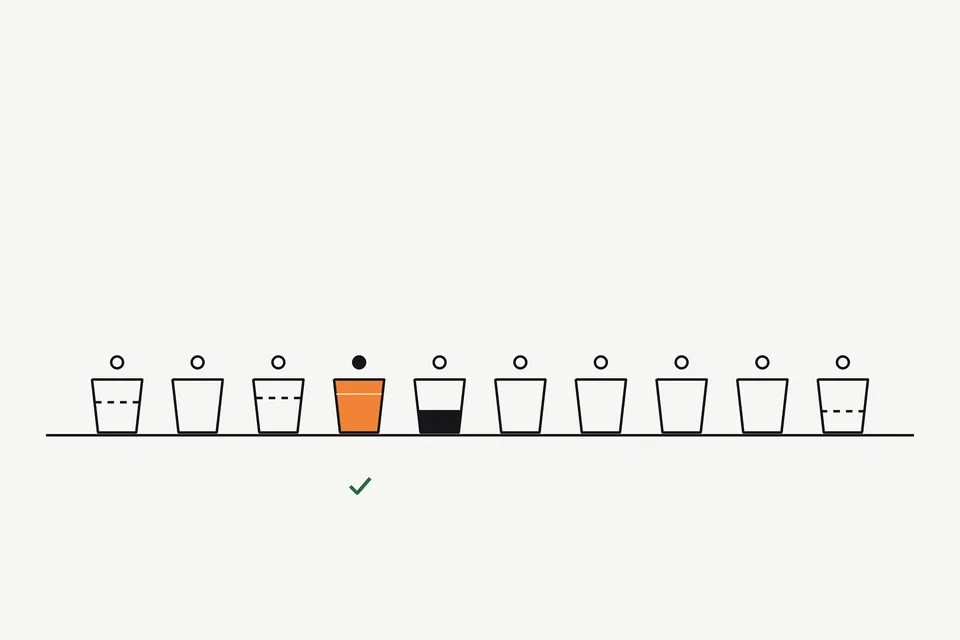
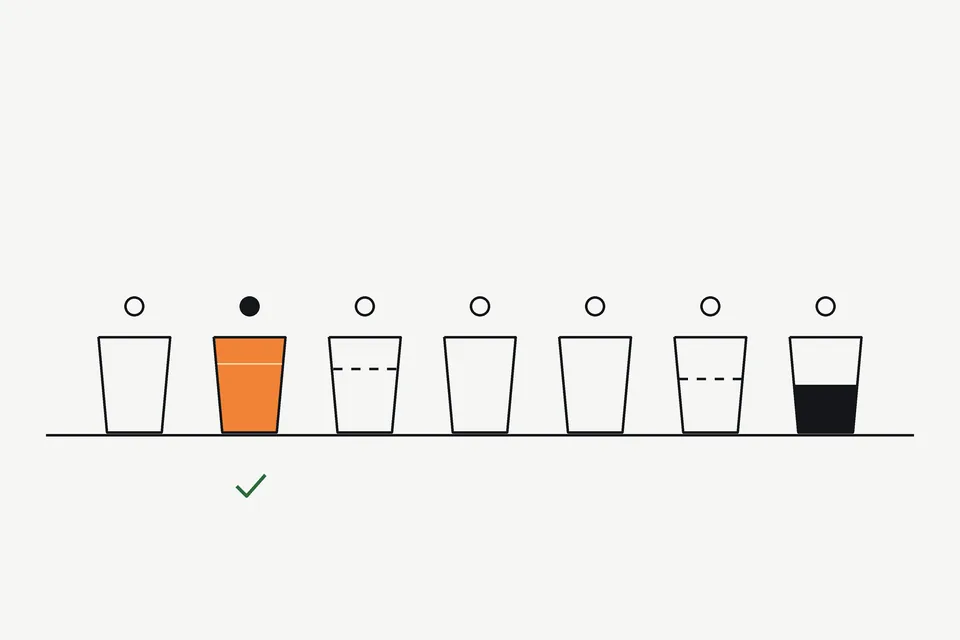
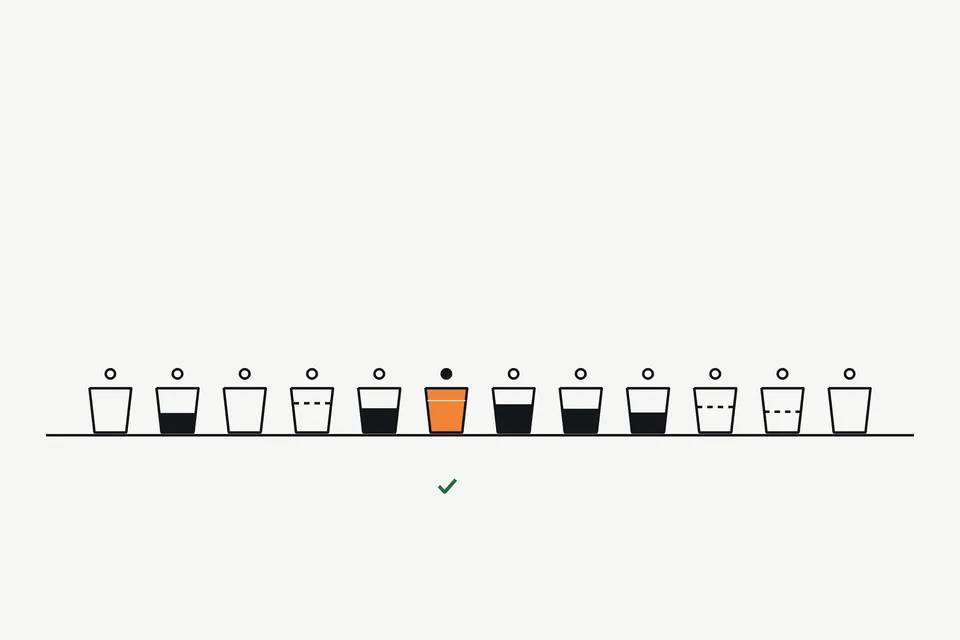
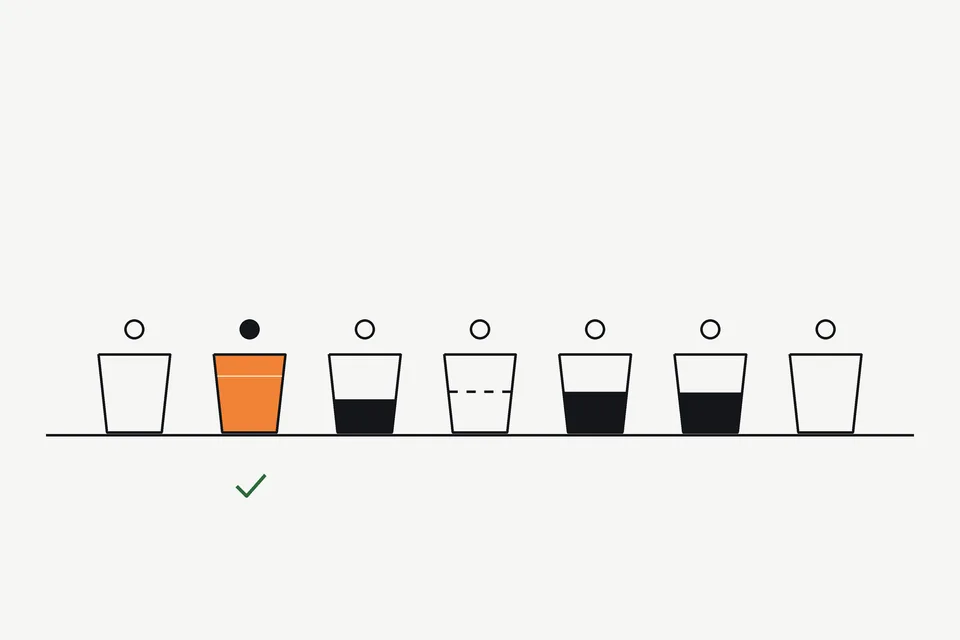
Detector by detector
Each detector read all six outputs from each tool. A filled disc is an output read as human.
Which should you choose?
Choose Grammarly AI Humanizer if
- Your draft already lives in Grammarly and you want the rewrite inside the editor.
- You want a stated voice ladder (four presets, or a custom voice from your own sample) more than a word count.
- You write in Spanish, French, German, Portuguese or Italian as well as English.
Choose QuillBot AI Humanizer if
- You want a free tier whose limit you can count, 125 words at a time.
- You will pay $8.33 a month billed annually for unlimited input length and Advanced mode.
- You also want QuillBot's paraphraser and grammar checker under the same plan.
Questions about Grammarly AI Humanizer and QuillBot AI Humanizer
Which is better, Grammarly or QuillBot for humanizing AI text?
On published limits QuillBot is the one you can measure, 125 words per input free and unlimited on Premium, while Grammarly publishes no word figure and counts plans in AI prompts, both read on 9 November 2026; which rewrite keeps meaning better is what the published method on this site measures once a run exists.
Is QuillBot's humanizer free?
Yes, in Basic mode at 125 words per input with 3 uses of Advanced mode, read on 9 November 2026; Premium at $8.33 a month billed annually removes both limits.
Is Grammarly's AI humanizer free?
Yes: the tool on Grammarly's product page is free, and a free Grammarly account adds the Humanizer agent with four preset voices, read on 9 November 2026; the free plan's allowance is counted as 100 AI prompts a month.
How many words can Grammarly humanize at once?
Grammarly publishes no per-request or monthly word figure for the humanizer; its plans page counts 100 AI prompts a month on Free and 2,000 a member a month on the paid plan, read on 9 November 2026.
Does either tool say it gets past AI detectors?
Grammarly's humanizer page describes a rewrite that stays true to your original message and tells users to acknowledge AI use; QuillBot's page describes two rewrite modes; neither page read on 9 November 2026 publishes a detector pass rate this site could quote.
Which should a student use?
Check your institution's AI policy first, because a humanizer does not make undisclosed AI use acceptable; if the policy permits AI-assisted editing, QuillBot's 125-word free tier suits one paragraph at a time and Grammarly suits drafts already in its editor.
Sources
Related reading
 Grubby AI vs Walter Writes AIGrubby AI vs Walter Writes AI on the same fields: list price per 10,000 words, monthly pools, input caps.
 Grammarly vs QuillBot vs Walter Writes AI: free tiers onlyBest free humanizer among Grammarly, QuillBot and Walter Writes AI, free tiers only: 125 words an input, 100.
 Best AI humanizer: 12 tools, one published methodBest AI humanizer by one published protocol: meaning kept, errors added, detector readings and plan limits.
 Grammarly AI Humanizer review: does it work?Does Grammarly humanizer work? Free and Pro limits checked on a stated date, the four voices it offers, what.