Clever AI Humanizer vs Grammarly AI Humanizer
Clever AI Humanizer accepts 3,000 words per request free with no sign-up, read on 8 November 2026, a figure Grammarly's AI Humanizer does not print at all. Clever AI Humanizer vs Grammarly is a comparison of two free humanizers that could hardly be shaped more differently: one is a single page with a text box and no price, the other is an agent inside a grammar product, priced in AI prompts when it is priced at all. Each tool has a review on the same fields, the Clever AI Humanizer review and the Grammarly AI Humanizer review, and every head-to-head on this site sits in the compare hub.
Updated
Side by side
The same fields for both tools, taken from each vendor's own pages on the date stated.
| Field | Clever AI Humanizer |  Grammarly AI Humanizer |
|---|---|---|
| Verdict | The most text for nothing of any tool reviewed here, with two named modes and an API, and no paid plan or terms behind it | A free rewrite tool inside a grammar product, sold on readability rather than detector readings, with no published word allowance |
| Best for | Full essays and articles humanized free, today, without creating an account | People who already draft in Grammarly and want a tidier version of an AI draft without leaving the editor |
| Main limitation | No paid tier, pricing page or stated terms, so nothing says how long the free service lasts or what happens to pasted text | No word limit or request cap is published and usage is counted in AI prompts, so you cannot know how much text a month buys |
| Free tier | Free, 3,000 words per request, no monthly cap stated, no sign-up, checked on 8 November 2026 | Free tool on the product page; a free account adds the Humanizer agent and 100 AI prompts a month, read 9 November 2026 |
| Cheapest paid plan | None; free only | Pro, $12 on the plans card, billing period not stated, 2,000 AI prompts a member, checked on 9 November 2026 |
| Per-request limit | 3,000 words | Not stated |
| Monthly allowance | Not stated | Not stated in words; 100 or 2,000 AI prompts |
| Modes | Normal, Clear & Structured | Four preset voices plus a custom voice; names not stated |
| Languages stated | Not stated | Six: English, Spanish, French, German, Portuguese, Italian |
| Terms and privacy pages | None visible on the page read | Published |
| Detector stance | Not stated | States the tool is not intended to get past AI detectors |
| API | Yes, stated on the homepage | Not stated |
Vendor pages: Clever AI Humanizer at cleverai.cc, whose single homepage is the only public page and was read in a rendered browser on 8 November 2026 because a direct fetch returns a script shell and an attempt to read a pricing page returned nothing; Grammarly AI Humanizer product page and Grammarly plans page, read 9 November 2026.
How much can each one humanize free?
Clever prints a number and Grammarly prints a different kind of number. Clever's 3,000 words per request with no monthly cap stated, read 8 November 2026, takes every input in the site's protocol whole and takes a 2,500-word paper in one piece. Grammarly's free account carries 100 AI prompts a month, read 9 November 2026, and the pages read do not say how many words a prompt carries, whether one humanizer run is one prompt, or whether the free tool on the product page draws on the 100 at all. The word column for Grammarly is therefore empty rather than estimated.
| Free use | Clever AI Humanizer | Grammarly, free |
|---|---|---|
| Published word figure | 3,000 per request | None |
| Published count of uses | None; no cap stated | 100 AI prompts a month on a free account |
| Sign-up | None | None for the product-page tool; free account for the agent |
| One 450-word paragraph set | 1 request | 1 run, if one run is one prompt |
| One 2,500-word paper | 1 request | Cap per run not stated |
| Second month | Same, as stated | 100 prompts again |
Both read on the dates above. On the arithmetic Clever is the free tier that takes long documents, and it is the only free tier among the twelve reviewed here that does; Grammarly's is the free tier that renews under a published count. Which matters more depends on whether the reader has one long text or a steady trickle of short ones.
What does each vendor commit to in writing?
Grammarly commits to a great deal and Clever to almost nothing. Grammarly's product page states what the tool does, scan for AI-typical patterns such as an overly formal tone or repetitive phrasing and then rephrase, lists six languages, shows the voice presets, and carries the detector statement, read 9 November 2026; its plans page prints the prompt counts and the Pro price. Grammarly's site publishes terms and a privacy policy. Clever's page states a free rewrite in two modes, a 3,000-word request and no sign-up, read 8 November 2026, and no terms of service, privacy statement or retention policy for pasted text was visible on it.
| Stated on the vendor's pages | Clever AI Humanizer | Grammarly AI Humanizer |
|---|---|---|
| What the rewrite does | Not described beyond two mode names | Scans for AI-typical patterns, then rephrases and adjusts tone |
| Mode or voice descriptions | Names only | Four presets shown, including an executive and a creative voice; custom voice from a sample |
| Languages | Not stated | Six |
| Terms of service | Not visible | Published |
| What happens to pasted text | Not stated | Covered by the published privacy policy |
| Paid path | None | Pro at $12; Enterprise on request |
Both read on the dates above. For a reader who pastes client work or coursework, the terms row is the one to weigh: one vendor has made a written commitment about pasted text and the other has not, and this page records the gap as Clever's main limitation rather than as a fault proven.
Does a rewrite that is not aimed at detectors still change them?
Yes, by the research, whatever the vendor intends. Grammarly's product page says the humanizer is not intended to get past AI detectors and works on clarity and coherence, and it asks users to acknowledge AI assistance in academic or professional work, read 9 November 2026. Among the twelve tools in the ranking, Grammarly is the one vendor that declines the detector claim. Clever's page says nothing about detectors either way.
A light rewrite is still a paraphrase. Weber-Wulff and colleagues tested 14 AI text detectors and found every one below 80 percent accuracy, with accuracy falling further on paraphrased and machine-translated text (Weber-Wulff et al. 2023, International Journal for Educational Integrity, read 9 November 2026). Liang and colleagues found that seven GPT detectors flagged 61.3 percent of TOEFL essays by non-native English writers as AI-generated (Liang et al. 2023, Patterns, read 9 November 2026), which is one reason a clarity rewrite can move a reading on text that was human to begin with.
The published method weights meaning kept at 35 points of 100, errors added at 20, detector pass rate at 30 and limits and access at 15, with two editors rating every output blind. Clever's free tier accepts every protocol input whole, so its free row and its default row are the same row; Grammarly runs on the default voice, since a custom voice is not a documented strongest mode, and its free row depends on a cap the vendor does not print. Under that weighting, Grammarly's meaning and error scores are the ones to watch, because its vendor promises nothing on detectors, and Clever's second mode, named for structure, invites a check on whether reordering keeps the order of an argument. No detector score should be the only evidence in a misconduct case.
Anyone writing for a class should check their institution's AI policy before using either tool; a humanizer does not make undisclosed AI use acceptable. Clever against a paid rival with a one-off trial is in Clever AI Humanizer vs Undetectable AI. Both tools here sit in the overall humanizer scores.
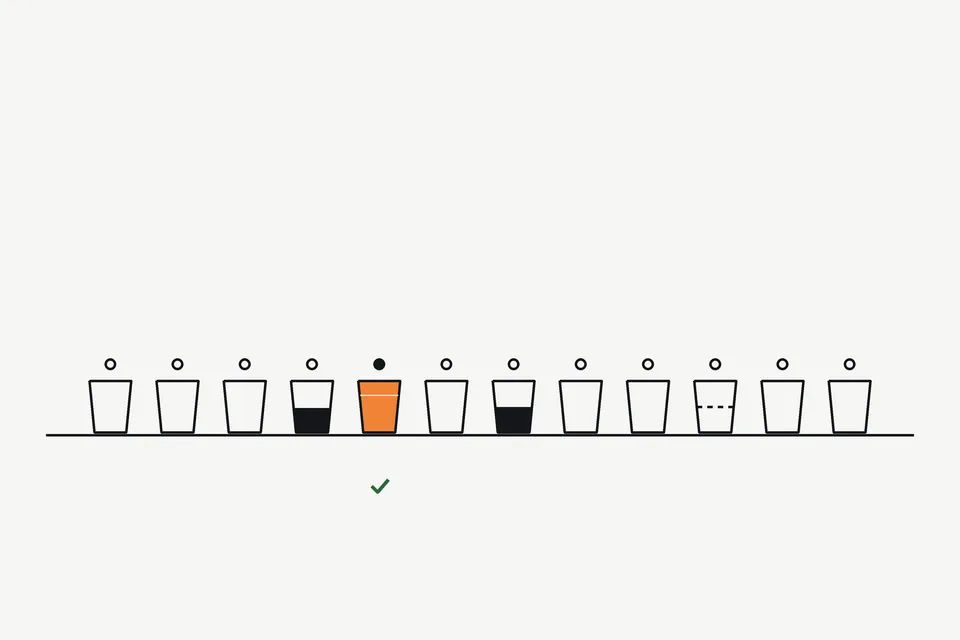
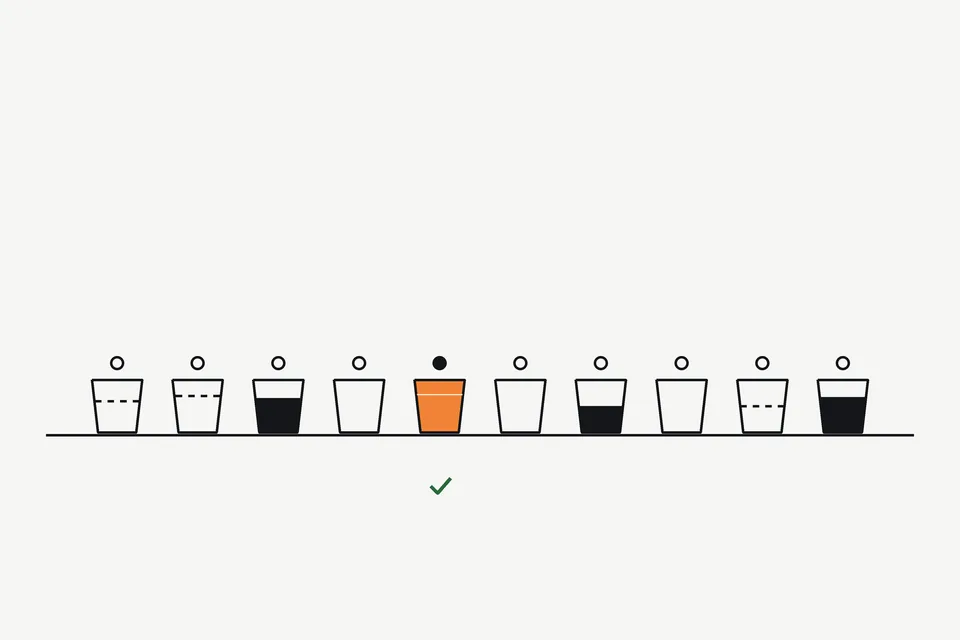
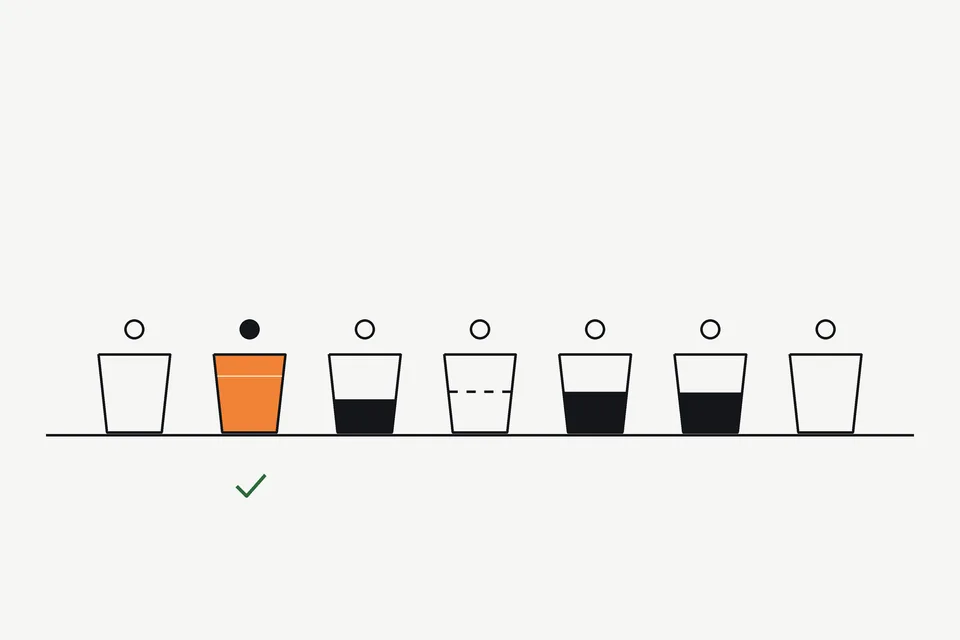
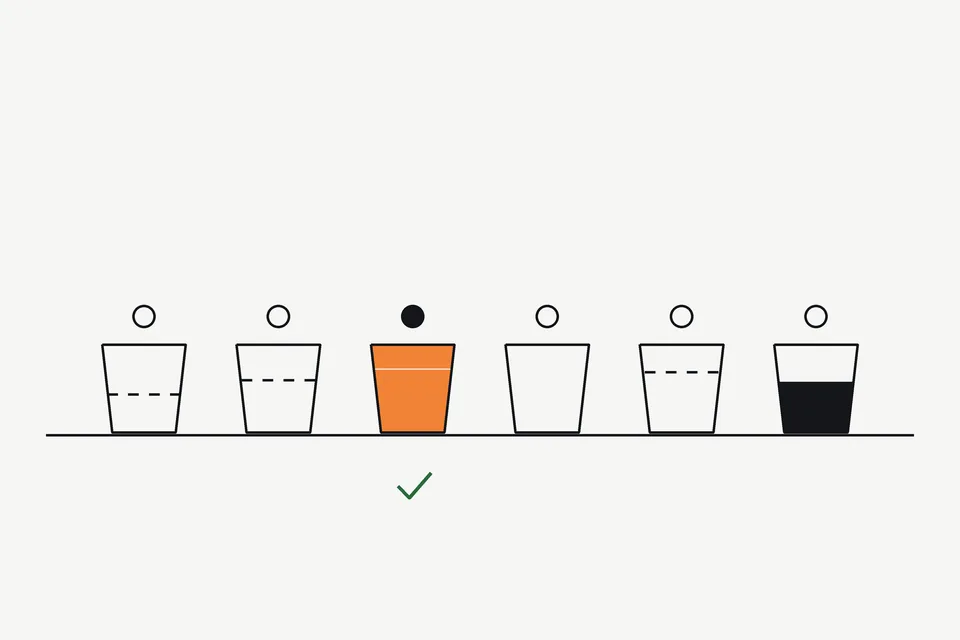
Detector by detector
Each detector read all six outputs from each tool. A filled disc is an output read as human.
Which should you choose?
Choose Clever AI Humanizer if
- You have a full-length text and no budget: 3,000 words per request, no account, read 8 November 2026.
- You want a standalone tool with an API and nothing else attached.
- You accept that a free service with one public page makes no stated commitment about tomorrow or about your pasted text.
Choose Grammarly if
- You already draft in Grammarly and want an AI draft to read more like your own prose without leaving the editor.
- You want a vendor with published terms, six stated languages and a free tier that renews under a printed count, read 9 November 2026.
- You prefer a vendor that states plainly it is not trying to change detector readings.
Questions about Clever AI Humanizer and Grammarly AI Humanizer
Is Clever AI Humanizer or Grammarly better for humanizing AI text free?
On published free allowance, Clever, with 3,000 words per request and no cap stated, read 8 November 2026, against Grammarly's 100 AI prompts a month and no word figure, read 9 November 2026; which rewrite keeps more meaning is what the published method on this site measures once a run exists.
Does Grammarly's humanizer have a word limit?
Grammarly publishes none: its plans page counts AI prompts, 100 a month free and 2,000 a member on Pro, read 9 November 2026, and neither page read says whether one humanizer run is one prompt.
Do I need an account for Clever AI Humanizer or Grammarly?
Clever needs none, read 8 November 2026; Grammarly's product-page tool runs without one and a free account adds the Humanizer agent with four voices, read 9 November 2026.
Which one is safer for confidential text?
Grammarly publishes terms and a privacy policy on its site; no terms, privacy statement or retention policy was visible on Clever's single page read on 8 November 2026, so a reader pasting client work has a published statement from one vendor and none from the other.
Does either tool try to get past AI detectors?
Grammarly says it does not: its product page states the humanizer is not intended to get past AI detectors and works on clarity instead, read 9 November 2026; Clever's page makes no statement either way.
Sources
Related reading
 Clever AI Humanizer vs Humanize AI ProClever AI Humanizer vs Humanize AI Pro (humanizeai.pro) on the same fields: two free no-account tools, one.
 Clever AI Humanizer reviewClever AI Humanizer review: free, no sign-up, 3,000 words per request and no monthly cap stated. Its two.
 Grammarly AI Humanizer review: does it work?Does Grammarly humanizer work? Free and Pro limits checked on a stated date, the four voices it offers, what.
 AI humanizer comparisonsHead-to-head AI humanizer comparison pages: two tools on the same fields, the same published method and plan.